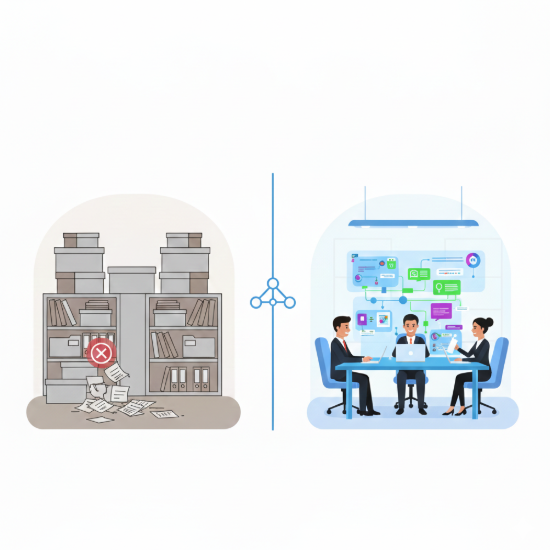
Modern administration is under constant pressure. A dangerous gap is widening between the push for digitalization and the demand for maximum transparency: while citizens increasingly assert their right to information, authorities are struggling with mountains of files and outdated processes. Manual document preparation has become the ultimate bottleneck of administration.
The solution, however, does not lie in hiring more staff, but in a smart symbiosis of human and machine.
The Transparency Boom: An Administrative Herculean Task
The shift from official secrecy to the “Transparent Agency” is democratically valuable but administratively expensive. The legal framework today is more diverse than ever:
- IFG (Freedom of Information Act): Enables free access to official information at federal and state levels.
- UIG & VIG: Special laws for environmental and consumer protection that, in some cases, even involve private entities.
- GDPR (Art. 15): Massive subject access requests (SARs) regarding personal data that put authorities under extreme time pressure.
The Problem: Every request requires meticulous review. What can be published? What must be redacted to protect third parties? In practice, this often means that highly qualified case officers spend hours using a digital “highlighter” to search for names, addresses, or bank details—monotonous work that ties up valuable resources.
The Cognitive Barrier: Why Humans Are Ill-Suited for Redaction
The human error rate for monotonous search tasks is approximately 20%. Statistically, this means sensitive information is overlooked in every fifth document. The cause is what is known as vigilance decrement: after just 20 minutes, our ability to concentrate on repetitive stimuli drops drastically. The brain switches to “autopilot.” For authorities, this is a major challenge. Manual document preparation is inefficient and no longer meets the requirements of a modern administration.
The Hybrid Approach: When Software Becomes the “First Officer”
The future of administration lies in a hybrid model where roles are clearly distributed according to strengths:
Software as the Workhorse
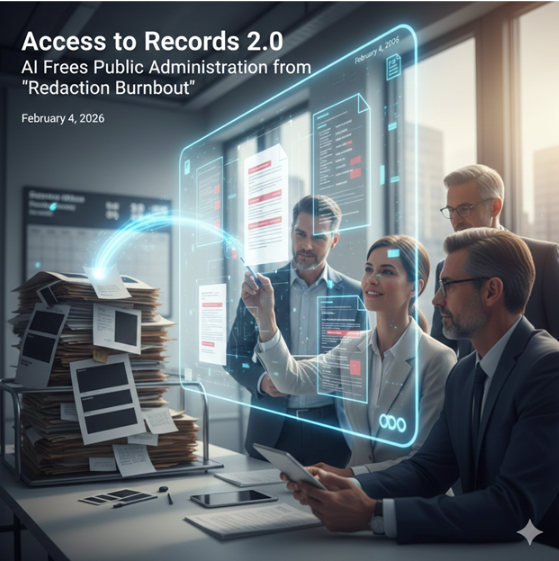
The software takes over the “grunt work.” It utilizes technologies such as OCR (Optical Character Recognition) and Named Entity Recognition (NER) to identify names, IBANs, or locations in a flash. The highlight: software works with the exact same precision on the ten-thousandth document as it did on the first. Fatigue simply does not exist for the algorithm.
Humans as Strategic Decision-Makers
The case officer evolves from a “searcher” to a “pilot.” They use their legal expertise for contextual weighing and nuances that software cannot yet understand. They merely review and approve the software’s suggestions. This workflow saves up to 90% of the time.
Consistency as a Safety Anchor
A decisive advantage of digital preparation is file-wide consistency. If a name is identified as requiring protection on page 10, the system automatically suggests redaction for the entire rest of the file. This prevents the classic “slipping through” of sensitive data—a constant risk in manual processing, especially when multiple people are involved.
Implementation: Sovereignty and Trust
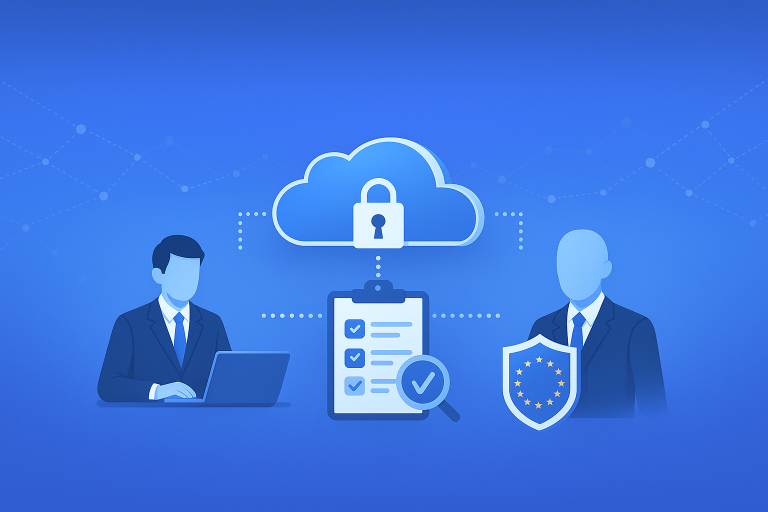
Introducing such systems requires a delicate touch. To avoid “automation bias”—the blind trust in technology—teams must be trained to critically validate results. Furthermore, data sovereignty must be maintained. In many cases, this means relying on on-premise operations and European solutions. For modern products, this is no obstacle.
Conclusion: Reclaiming Time for Core Tasks
The strategic shift to software-supported document preparation is not a luxury for public administration; it is a necessity. It is the key to mitigating the shortage of skilled labor and meeting legal deadlines. Agencies that take this path benefit from massive time savings, legally compliant results, and more motivated employees who can finally focus on meaningful work instead of just hunting for text patterns.
Our recommendation:
| Manual redaction is error-prone and time-consuming. The anonymizer from // PRIMA helps to anonymize personal data in a structured manner and make documents available in compliance with the GDPR. Schedule a consultation now! |